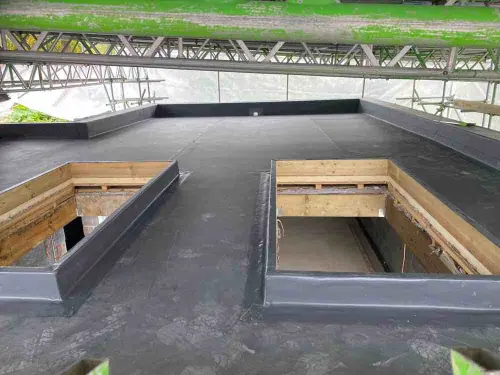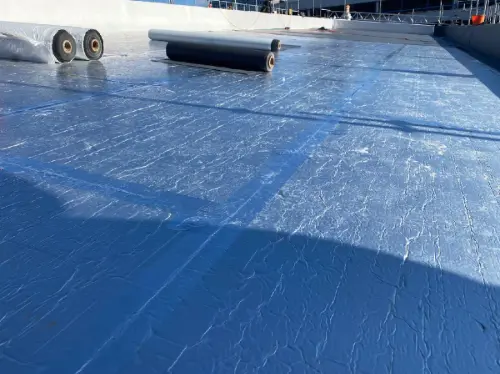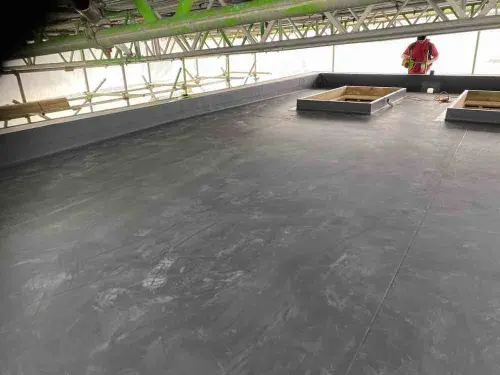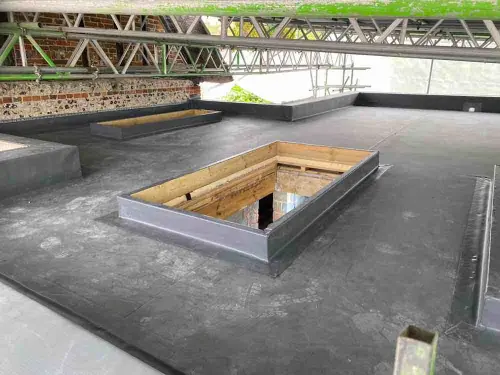
Ready to start your roofing project?
Reduce costs and improve sustainability by rethinking your roof.
Why settle for a roof that simply shields your building when it could be working for you? Energy costs are rising, and flooding risks are increasing. There’s also a greater demand for sustainable construction. However, traditional roofing systems often do not meet these needs. In times like these, a green roof is more than an eco-friendly addition. It actively reduces heat loss, absorbs rainwater, and provides insulation that can lower your energy bills by up to 30%.
At SDS Roofing, we help property owners integrate practical, high-performance green roofs. These systems have been proven to enhance building efficiency and environmental impact. Our systems are sturdy, weatherproof, and designed to meet your property's needs. If you are looking for a budget-friendly option to future-proof your building, a green roof is a great choice. A professional installation can transform your property while ensuring long-term performance and durability.
A green roof is a vegetated roofing system that combines plant life with a multi-layered structural design. It has crucial components such as a waterproofing membrane, a drainage system, a filtration layer, and a growing medium. These elements work together to protect the roof while supporting healthy plant growth.
Green roofs are designed for long-term performance. They provide thermal insulation, reduce rainwater runoff, and improve air quality. Better yet, they can be installed on flat or gently sloped roofs, making them a flexible and practical choice for commercial, residential, and public buildings.
There are two main types of green roofs. Each type offers different benefits based on how much care it needs, the building's strength, and its purpose. Green roofs help with energy efficiency, boost biodiversity, and improve stormwater management. They are a wise long-term investment for any property.
Lightweight and easy to maintain, they’re perfect for big commercial buildings, offices, and apartment blocks. They are covered with tough, drought-resistant plants like sedum, mosses, and low-growing succulents. These plants thrive in low-nutrient areas and need little care. As they are lighter than intensive green roofs, they are ideal for buildings that can't support heavy loads.
Created to accommodate a broader range of plants, such as grasses, wildflowers, and small shrubs. This fosters a more vibrant and diverse environment. It also delivers environmental benefits by drawing in bees, butterflies, and other pollinators. This quality makes them perfect for urban greening projects. However, they require a deeper growing medium and regular irrigation. This makes them better suited for smaller projects with an active maintenance plan.
Considering a more traditional roofing alternative? Explore our slate roofing solutions for a durable, heritage-style finish.
A green roof installation is a lasting answer to today's environmental and economic issues. They offer enormous benefits for property owners and the environment. Put simply, green roofs improve insulation, manage rainwater, and help reduce urban heat.
Interested in additional waterproofing and insulation solutions? Our single-ply membrane roofing integrates well with green roof systems.
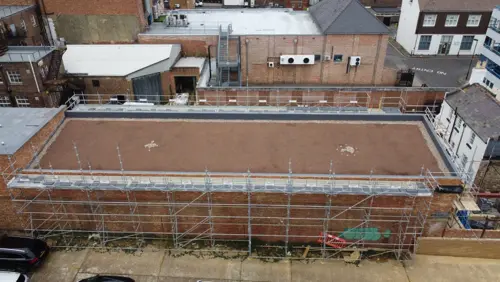
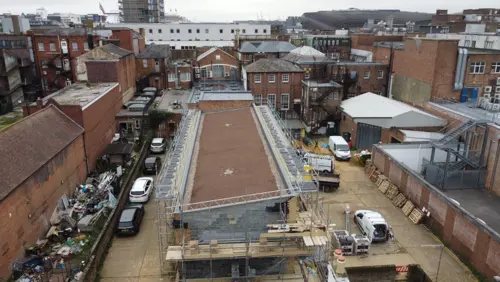
The cost of a green roof varies depending on several factors, including the roof size, the type of plants used, any needed structural changes, and waterproofing needs. Green roofs might cost more upfront than regular roofing systems, but they save money over time by cutting energy costs, lasting longer, and needing less maintenance.
Typically, they range between £50–£100 per m², making them the most affordable option for large-scale installations. These lightweight roofs require minimal maintenance, which reduces ongoing costs for property owners. They require thinner soil layers and less water, making them a low-maintenance green roofing option. Therefore, they are ideal for commercial buildings, apartment complexes, and public infrastructure.
Cost between £120–£200 per m², due to their deeper substrate layers, more complex drainage systems, and higher maintenance needs. These roofs support a wider variety of plant species, creating a biodiverse habitat for pollinators and wildlife. However, they require regular irrigation, seasonal replanting, and structural reinforcements. These factors may lead to higher costs and more maintenance compared to sedum roofs.
A combination of sedum and wildflower roofing can cost between £80–£150 per m². This offers an outstanding balance between maintenance and biodiversity. These systems blend low-maintenance sedum plants with chosen wildflower species. They need some care to help improve biodiversity and insulation.
Some roofs, especially intensive systems, might need to be modified to handle the extra weight of a green roof. Structural reinforcements can increase the total cost by £20 to £50 per m². However, the price typically depends on the current structure's load-bearing capacity. A structural assessment can check if you need steel supports, reinforced beams, or extra underlayment.
A high-quality waterproofing system is essential to prevent leakage and moisture damage. EPDM (Ethylene Propylene Diene Monomer) and PVC (Polyvinyl Chloride) membranes cost £15–£40 per m². However, they provide long-term protection against water ingress and root penetration. Installing a root barrier layer may add an additional £5–£10 per m², further safeguarding the underlying roof structure.
Good drainage is key for managing stormwater and keeping plants healthy. This is especially important for wildflowers and intensive green roofs. Drainage layers range from £10 to £30 per m². The cost depends on factors like the roof slope, how easy it is to access, and the water retention needs. Automated irrigation systems help keep plants adequately watered during dry months. They cost between £200 and £500 each. These systems cut down on manual watering and support steady plant growth.
Several local councils and sustainability programmes offer financial incentives for installing green roofs. These incentives are aimed mainly at commercial buildings and urban developments. The South England Green Roof Initiative (2025) gives grants covering up to 50% of installation costs. These grants support projects that use Sustainable Drainage Systems (SuDS). Property owners can visit Hampshire County Council’s Sustainable Construction Initiatives to see what funding is available.
Green roofs help save on heating and cooling costs. They provide natural insulation, which can cut energy use by as much as 30%. A study from the UK Green Building Council (2025) showed that buildings with green roofs need much less heating in winter and cooling in summer. This results in lower utility bills and saves money in the long run.
Eco-friendly homes and commercial buildings attract more buyers and investors. A UK Sustainable Construction Report (2025) report says green roofs can boost property values by 5–8%. This is especially true in urban areas where people want sustainable developments. Properties with BREEAM certification or LEED accreditation draw in buyers and tenants who care about the planet.
For a detailed cost assessment and tailored quote, contact SDS Roofing today to discuss your green roof project.
A green roof is a vegetated roofing system designed to improve insulation, absorb rainwater, and reduce urban heat. It has several layers, including a waterproof membrane, a drainage system, and a growing medium that helps plants thrive. These layers help control temperature, increase the roof's lifespan, and offer environmental benefits. You can install green roofs on flat or sloped surfaces. They are widely used in commercial, residential, and public buildings. Green roofs help enhance sustainability and energy efficiency.
Green roofs help lower air pollution, manage stormwater, and enhance biodiversity in urban areas. They assist cities in adapting to climate change. They lower temperatures, reduce the risk of flooding, and offer habitats for wildlife. According to the UK Green Building Council, green roofs can lower urban temperatures by up to 4°C. This makes them a crucial part of sustainable urban development. Many UK councils encourage or require green roofs for new commercial and public buildings. This is included in their long-term plans for the environment.
The cost of a green roof installation varies depending on roof size, type, and structural requirements. A sedum (extensive) green roof generally costs between £50 and £100 per m². Wildflower (intensive) green roofs are pricier, ranging from £120 to £200 per m². This is mainly due to their deeper substrate layers and greater maintenance requirements. Additional costs may include structural reinforcements, waterproofing membranes, and drainage systems. Green roofs might need an initial investment, but they lower energy bills. They also extend the roof's lifespan and can qualify for sustainability incentives. This makes them an innovative, cost-effective choice in the long run.
The maintenance requirements of a green roof depend on its type and vegetation. Sedum roofs are easy to care for. They just need weeding once a year and some watering during severe droughts. Wildflower roofs, however, require regular watering, seasonal replanting, and fertilisation to maintain plant diversity. Proper maintenance ensures healthy plant growth, efficient drainage, and long-term structural integrity. Property owners should perform inspections twice a year. This allows them to spot drainage issues and invasive species and check the health of the substrate. Keeping up with these checks helps the green roof function well.
Make a lasting impact with an eco-friendly roofing solution.
Green roofs are changing modern construction. They mix sustainability with practicality, making buildings healthier and more resilient. Choosing a green roof means investing in a strong, cost-effective, and eco-friendly roofing system. One that will boost your property's efficiency for many years.
Don't miss the opportunity to upgrade your building with a high-performance green roof. Our experts will assess your property and provide tailored recommendations. Then, you can choose whether to have us deliver a seamless installation backed by industry expertise.
Call 01489 788577 now for professional advice, or schedule your consultation today.